
News
Pollinator Gardens Trail – 2025 Recap
December 3, 2025Contributed by Lee Graul, Harford County Master Gardener
The Harford County Master Gardeners continued to expand the Pollinator Gardens Trail (PGT) in 2025 – adding four gardens, bringing the total number of gardens on the PGT to 20, at 19 sites around the county.
The PGT was launched in 2023 in partnership with Harford Land Trust’s Grow Wild Harford, with 11 initial gardens. The Trail highlights and maps public-accessible pollinator gardens throughout Harford County, providing the community with an opportunity to venture outside, visit the gardens, learn about pollinators, see examples of pollinator habitats, and be inspired to create their own pollinator gardens.
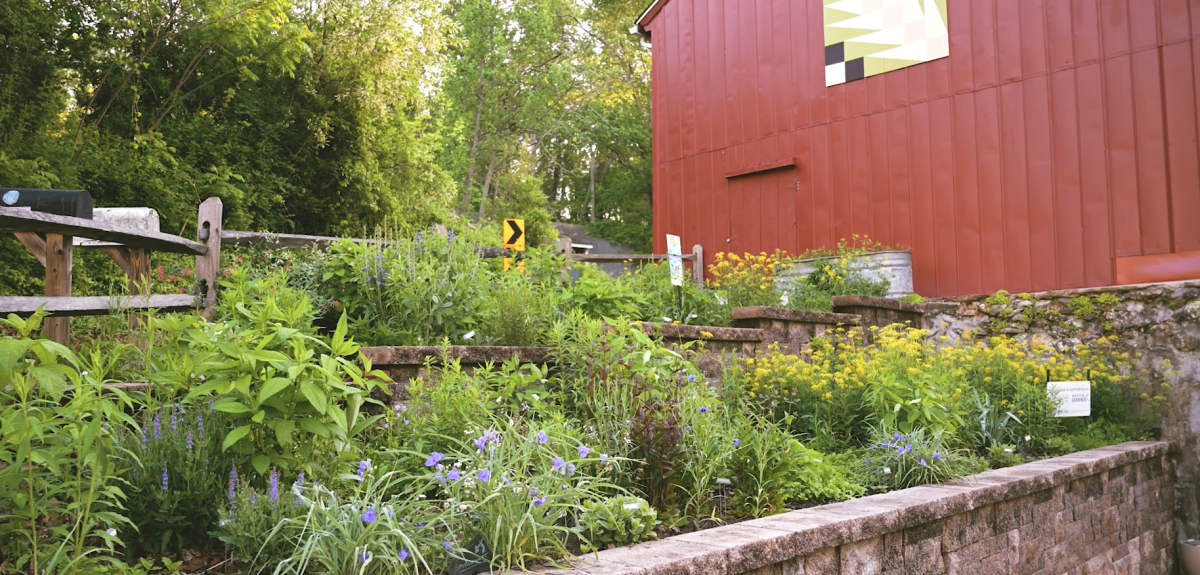
The new gardens include our first woodland garden, as well as a second meadow garden, a traditional circular perennial garden, and a garden focusing on plants and literature (through a wonderful partnership with the Darlington Library).
The new gardens added in 2025 are:
- The Meadow at the Hive Shop (2501 Conowingo Rd, Bel Air)
- Plant and Literature Garden (Poplar Grove Park, Street)
- Larry Franz Woodland Walk (Liriodendron)
- Pollinator Garden at Liriodendron
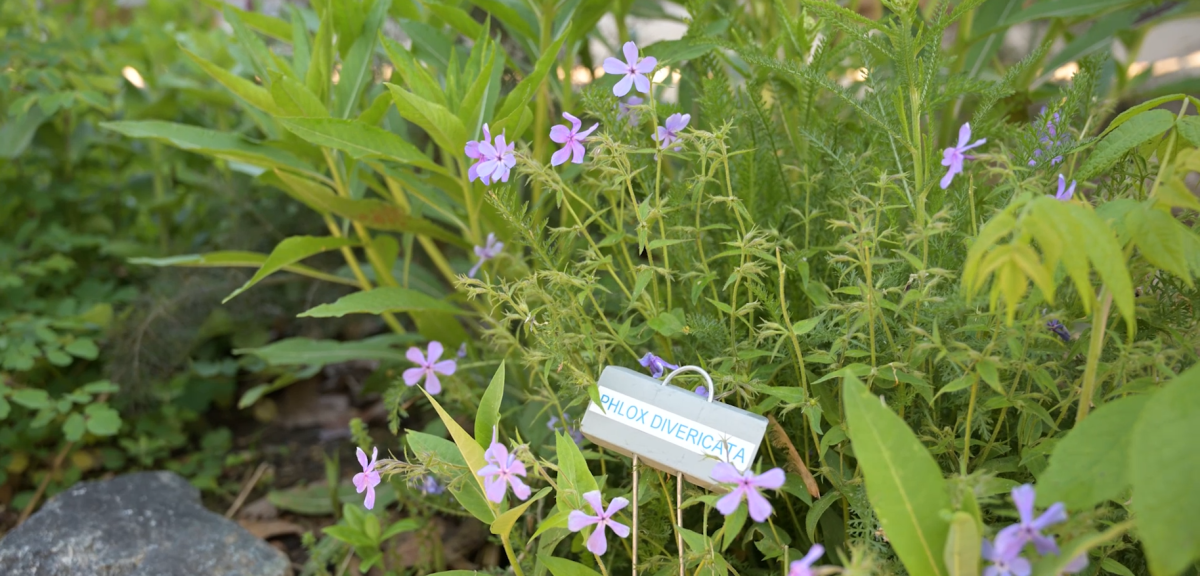
In addition to visiting, evaluating and approving these four new additions, the Harford County PGT Committee also conducted annual maintenance visits to the 16 existing PGT gardens, documenting their findings, offering praise for how well each garden was maintained, providing encouragement, and in some cases suggesting ways to enhance the gardens.
The committee received an application this month for another garden; we look forward to conducting an official visit in the Spring 2026.
If you are interested in adding your publicly accessible pollinator garden to the Pollinator Gardens Trail, we encourage you to apply via the Grow Wild website: www.GrowWildHarford.org!
Grow Wild is a Harford Land Trust program established in 2023. Grow Wild serves all of Harford County, Maryland. Our focus is on educating and engaging urban and suburban residential communities in this region about the benefits of converting at least a portion of their yards to more natural spaces, where pollinators and other wildlife can thrive.